When choosing activewear, performance is paramount—especially when it comes to managing sweat during intense workouts or outdoor activities. Two of the most common synthetic fabrics used in athletic apparel are recycled polyester and nylon. Both offer durability, stretch, and resistance to wear, but they differ significantly in how efficiently they move moisture away from the skin. Understanding which fabric wicks sweat faster can help athletes, fitness enthusiasts, and eco-conscious consumers make smarter choices based on their activity level, climate, and environmental values.
How Moisture Wicking Works
Moisture wicking is the process by which fabric pulls sweat from the skin to the outer surface, where it evaporates quickly. This mechanism keeps the body dry, regulates temperature, and prevents discomfort such as chafing or clamminess. The effectiveness of wicking depends on several factors:
Fiber structure: Synthetic fibers like polyester and nylon are hydrophobic (water-repelling), meaning they don’t absorb moisture easily. Instead, they rely on capillary action through micro-channels in the fiber or knit structure.
Yarn construction: Hollow-core or grooved fibers increase surface area and improve wicking efficiency.
Weave or knit density: Tighter knits may limit airflow, while engineered mesh zones enhance breathability.
Treatment finishes: Many performance fabrics use chemical treatments to boost hydrophilic (water-attracting) properties on the outer layer, creating a pull effect.
While both recycled polyester and nylon are synthetics derived from petrochemicals, their molecular structures and manufacturing processes lead to different behaviors when exposed to moisture.
Recycled Polyester: Performance and Sustainability
Recycled polyester, often labeled as rPET, is made from post-consumer plastic waste—primarily water bottles. It undergoes a process of cleaning, melting, and extruding into new fibers. Using recycled materials reduces landfill waste, lowers carbon emissions, and conserves energy compared to virgin polyester.
In terms of moisture management, recycled polyester performs nearly identically to its virgin counterpart. Its hydrophobic nature means it doesn't absorb much water—typically less than 0.4% of its weight. However, this also makes it excellent at transporting moisture along the fiber surface via capillary action, especially when textured or engineered with wicking channels.
Many high-performance sportswear brands use recycled polyester with proprietary wicking treatments. For example, Patagonia’s Capilene line and Adidas’ Primeblue fabrics use enhanced rPET weaves designed for rapid drying and efficient sweat dispersion.
| Property | Recycled Polyester | Nylon |
|---|
| Moisture Absorption | <0.4% | 2–4% |
| Wicking Speed (Horizontal) | Fast (optimized with channeling) | Moderate (improves with treatment) |
| Drying Time | Quick (10–20 mins air dry) | Slower (20–40 mins) |
| Odor Resistance | Low (prone to odor retention) | Moderate (better with antimicrobial finish) |
| Sustainability | High (uses recycled waste) | Variable (ECONYL® is recyclable) |
| Best For | Running, HIIT, hot yoga | Climbing, cycling, swimwear |
Mini Case Study: Trail Runner’s Experience
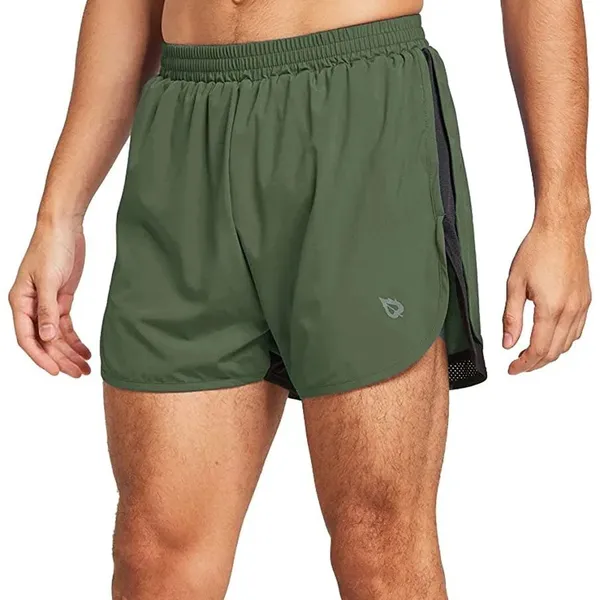
Jamal, an endurance trail runner in Colorado, tested two identical-looking shorts—one made from 92% recycled polyester/8% spandex, the other from 88% nylon/12% spandex—during back-to-back 10-mile summer runs. Ambient temperatures were around 85°F (29°C) with moderate humidity.
After 45 minutes, he noticed the nylon pair began to cling slightly around the inner thighs, while the recycled polyester version remained lightweight and dry-feeling. Post-run, he hung both to air dry. The polyester short was fully dry in 18 minutes; the nylon took 37 minutes. Sweat marks were also more visible on the nylon, indicating slower evaporation.
“I didn’t expect such a noticeable difference,” Jamal said. “The fit was almost identical, but the way the rPET handled sweat made me feel cooler throughout the second run.”
This aligns with broader consumer feedback: in high-sweat scenarios, especially aerobic activities lasting over 30 minutes, recycled polyester generally provides a drier wearing experience.
Environmental Impact: Beyond Wicking
While wicking performance matters, many consumers also prioritize sustainability. Here, recycled polyester holds a clear edge. It diverts plastic from oceans and landfills and uses up to 59% less energy than virgin polyester production. Brands like Girlfriend Collective and prAna have built entire lines around transparent rPET sourcing.
Nylon, especially conventional varieties, is more energy-intensive to produce and releases nitrous oxide—a potent greenhouse gas—during manufacturing. However, regenerated nylon like ECONYL® offers a circular alternative by recycling discarded fishing nets, carpets, and industrial waste. Though promising, ECONYL® remains less widely adopted and often more expensive.
Still, durability plays a role in sustainability. Nylon’s superior abrasion resistance means garments last longer under rugged use, potentially offsetting its higher initial footprint. A climbing pant made from nylon might survive five years of weekly use, whereas a thinner rPET version could show pilling or thinning sooner.
Tip: For maximum sustainability and performance, choose recycled polyester for sweaty workouts and durable nylon blends for technical outdoor gear.
Actionable Checklist: Choosing the Right Fabric
Use this checklist to select activewear based on your needs:
✅ Determine your primary activity: cardio-heavy (choose rPET) vs. friction-prone (nylon better)
✅ Check fabric blend labels—look for at least 85% rPET or nylon with spandex for stretch
✅ Prioritize garments with flatlock seams and mesh panels for added breathability
✅ Verify if the brand discloses fiber origin (e.g., “made from recycled water bottles”)
✅ Consider odor control: rPET may need silver-ion or Polygiene treatment to resist smell
✅ Wash cold and avoid fabric softeners to preserve wicking finishes
Expert Insight on Future Innovations
The gap between nylon and polyester in wicking performance is narrowing thanks to advances in fiber engineering. New hybrid yarns combine the strength of nylon with the quick-dry benefits of polyester.
“We’re seeing bicomponent fibers where the core is nylon for durability and the sheath is hydrophilic polyester for wicking. These hybrids could redefine performance standards in the next five years.” — Dr. Rajiv Mehta, Senior Researcher at Advanced Textile Solutions
Additionally, bio-based nylons like those derived from castor beans (e.g., Fulgar’s Q-Cel) offer improved moisture management and reduced environmental impact, signaling a shift toward smarter, greener synthetics.
FAQ
Does recycled polyester breathe as well as nylon?
Not inherently, but breathability depends more on weave and design than fiber alone. Recycled polyester can be highly breathable when knitted loosely or combined with mesh zones. Nylon tends to feel softer against the skin, but rPET excels in moving moisture away quickly.
Can I improve nylon’s wicking performance?
Yes. Choose nylon garments treated with moisture-wicking finishes or blended with polyester or rayon. Avoid 100% untreated nylon for high-sweat activities. Also, proper washing without fabric softeners helps maintain any existing performance coating.
Is recycled polyester worse for odor buildup?
It can be. Because polyester fibers are hydrophobic and non-porous, bacteria that cause odor can cling more easily. To combat this, look for rPET activewear with antimicrobial treatments like Polygiene or SilverTech, or wash with odor-eliminating detergents formulated for technical fabrics.
Final Verdict: Which Wicks Sweat Faster?
In direct comparison, **recycled polyester wicks sweat faster than nylon** due to its lower moisture absorption and optimized capillary action. It dries more quickly, feels lighter during prolonged exertion, and is better suited for high-intensity, heat-generating activities like running, spinning, or CrossFit.
Nylon, while strong and resilient, retains slightly more moisture and wicks at a slower rate unless enhanced with special finishes or blends. Its value lies in durability and comfort, making it ideal for activities involving friction, stretching, or water exposure—like rock climbing, cycling, or swimming.
The best choice ultimately depends on your priorities. If peak moisture management and environmental responsibility are key, go with high-quality recycled polyester. If you need long-lasting resilience and don’t mind slightly slower drying, nylon—or a smart blend of both—may serve you better.
Conclusion & Call to Action
Understanding the science behind sweat-wicking fabrics empowers you to make informed decisions about what you wear during workouts. Recycled polyester leads in moisture transfer speed and eco-friendliness, while nylon stands strong in durability and comfort. By matching fabric properties to your activity type and care habits, you enhance both performance and sustainability.